
SEO Myths Debunked
12 SEO Myths Debunked
SEO is a powerful marketing strategy. It’s nothing new, but search engine optimization is becoming increasingly important. More and more companies (i.e., website owners) are discovering the power of SEO. In other words, the competition is growing.
So it’s high time to debunk or confirm all the myths surrounding SEO. That way, you’ll know exactly what you’re getting into.
Have you come across other SEO myths? Or are you looking for SEO advice? Feel free to contact us! We’d be happy to help you.

Publish ten SEO articles and reap the rewards the following month? Unfortunately, that’s not how SEO works. Search engine optimization is a long-term strategy. On average, it takes 6 to 12 months before you see results from your efforts.
It might take a while, but the benefits are enormous. Unlike SEA, SEO generates free clicks from people who are specifically searching for your website. As a result, SEO has a high ROI.
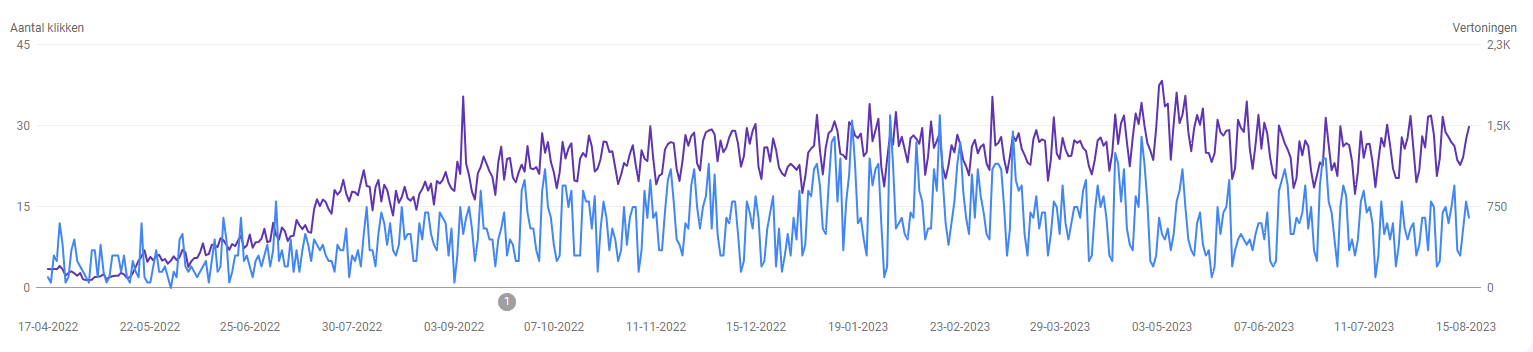
In an ideal world, SEO would be the right marketing strategy for everyone. But it isn’t. You need to have the right SEO mindset. That means patience, dedication, consistency, and mental flexibility. SEO is a long-term strategy— remember? And that’s not for everyone.
Wrong, wrong, and wrong again. Your main focus remains where it should have always been: on your target audience. SEO is simply a strategy to help people find you more easily.
You still need to win over your target audience. Technical optimizations, such as improving your page load speed, are an important factor for Google. But most importantly, your users will stay longer if everything loads quickly.
The same applies to your SEO content. Your focus is on informing or convincing your reader. SEO ensures that the reader ends up on your page.
If only it were that simple. Just throw a few keywords here and there on a white background, copy pages from your competitor without thinking… DON’T DO IT! (Sorry for shouting…)
These techniques sometimes yield short-term results, but Google is smart—so smart, in fact, that it penalizes you for using them in the long run. So, once and for all: you should avoid black hat SEO techniques.
Finally, one we can get behind! You’ll find an example of an SEO-optimized image right here: not too large, with a clear filename and an alt tag—both containing the keyword. Optimizing your images is therefore a very smart move for your search engine optimization. It doesn’t have a huge impact, but it’s the little boost your content needs. Plus, SEO-optimized images also help your site load faster. A double win!

This isn’t always true. Sometimes there’s almost no search volume for your main keyword, but even one hit can be worth the investment. Figuring out exactly which keywords to use isn’t an exact science. Use keyword tools to shape your strategy, but also trust your gut.
There are few quick wins in the world of SEO. Although local SEO sometimes seems to prove the opposite. By focusing on local keywords (keyword + city), you can often rank faster than with a general keyword. It’s definitely worth it if this applies to your business!
It’s often thought that SEO isn’t for B2B companies. But who do you think does the research within a company? That’s right—a person. And that search often starts on Google… So B2B SEO is definitely a smart move.
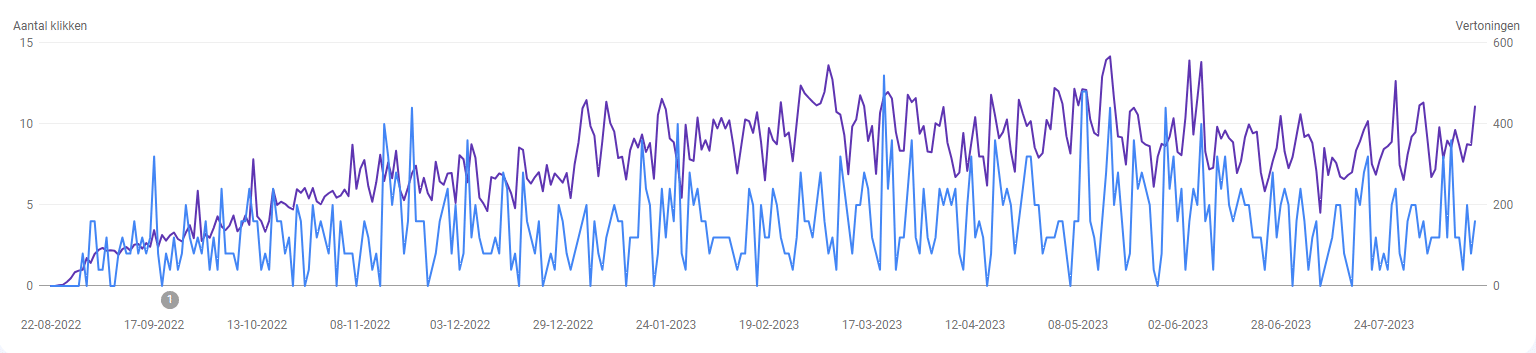
Yes, yes, and yes again! Search engines are the perfect place to showcase your open job postings. Because, just like any quest, the search for a new job starts on Google. By investing in SEO for recruiting, you can reach people who are actively looking for a job.
This is absolutely spot on. Your website architecture is crucial. By defining it clearly, both Google and users can easily navigate your website. Are you starting a new website? Then it’s best to first come up with an SEO-friendly website architecture.
So you start by doing your keyword research and developing your content clusters before you begin working on your website. That way, everything is in place so you can build on it later.
Tip
Think about your URLs in advance. Make sure they are structured according to your site architecture.
Are you already ranking in Google for certain important keywords, but want to have a new website built? Then we have good news for you. You can indeed transfer the SEO value of your old website to your new one. This doesn’t happen automatically; you’ll need to perform an SEO migration.
Want to debunk even more SEO myths together?
At Digital Climax, we’re true SEO nerds. We wake up with it and go to sleep with it. We do nothing but test SEO theories—but above all, we prove them. Because SEO works. For your website, too.
Want to know how we can get your website to the top of Google? Contact us for a no-obligation introductory meeting!